A lot of people who hear about psilocybin want to try microdosing, and some who come to Vital Reset for a journey will ask for help with microdosing afterward. For clients who live near a licensed service center, there is sometimes a legal microdosing option available. When that’s possible, it offers the safest product in the world—regulated, consistent, and tested.
But most of our clients don’t live anywhere near a psilocybin service center. That leaves them wondering how to microdose, how to do it safely, and how to avoid the long list of problems that can come with an unregulated and usually illegal market. And those questions put facilitators and service centers in a difficult position: How do we offer harm-reduction guidance without encouraging anything illegal?
There isn’t a simple answer. But there is a responsible one.
What Research Shows—and What It Doesn’t
There’s no shortage of opinions about microdosing. There are protocols, schedules, and theories. Unfortunately, research hasn’t consistently supported the more enthusiastic claims. Many controlled studies find little measurable difference between microdosing and placebo.
And yet the amount of anecdotal benefit people report is impossible to ignore.
Several years ago, my husband John Nelson and I microdosed for two months. Before we did this, we enjoyed a nightly ritual of a glass of wine with dinner—two for me, one for John. We liked the flavor, the small buzz, and the relaxation.
A few weeks after we finished, I opened the closet in our bedroom—the same closet that doubles as our wine library—and saw twelve bottles on the shelf. We normally had three or four. We suddenly noticed we had simply forgotten we enjoyed wine. John had kept buying it at Costco, but neither of us had reached for a bottle. When we tried to enjoy wine again, the interest wasn’t there. It just wasn’t appealing anymore. And that appeal never came back.
Other people describe benefits that are subtle but meaningful: steadier moods, more emotional flexibility, better focus, softer reactivity. Some people on the autism spectrum tell us they microdose almost daily because it helps them feel more comfortable in social situations. People struggling with uncontrolled alcohol use report being able to stay sober. Veterans with PTSD or Traumatic Brain Injuries say microdosing makes a difference in their thinking and mood.
But microdosing doesn’t work for everyone. During my long journey to figure out how to use psilocybin to heal my own treatment-resistant depression, I tried microdosing several different ways. I kept hoping it would shift something, but I couldn’t make it work for me. That experience is part of why I don’t romanticize microdosing. For some people it creates meaningful change, and for others it simply doesn’t. There is no single outcome everyone can count on.
But, because people sometimes feel helped, many are going to try microdosing—legally or not.
Why Harm Reduction Matters
If someone asks me how to microdose, I can’t tell them how to grow mushrooms. I can’t tell them how to produce psilocybin at home. I can’t introduce them to a dealer, though they often ask. That’s not legal, and it’s not safe.
But I can tell them what could go wrong.
This is where harm reduction comes in. Harm reduction doesn’t mean approving or promoting illegal activity. It means helping people avoid the most dangerous choices while acknowledging reality.
And the reality is that unregulated psilocybin products can be dangerous in ways most people never consider.
Our licensed lab in Oregon has tested “magic mushroom gummies” sold at gas stations and convenience stores. They’ve found substances like gabapentin. Some samples contained entirely different psychedelic chemicals—compounds with no safety data at all.
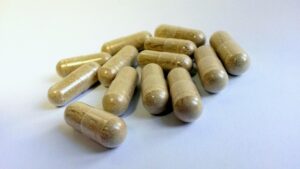
People buy microdosing pills on the internet, and sometimes they contain nothing but lion’s mane and niacin. Others could buy dried mushrooms grown on wood chips, unaware that certain wood-grown species can cause poisoning. Some mushrooms can be contaminated with pesticides. Rumors that underground-market mushroom chocolates contain fentanyl worry me, though I haven’t found reliable evidence that this is true.
Everyone hopes to find a trustworthy source. But without regulation, there is no clean chain of custody.
The Ethical Dilemma for Service Centers
Service centers and facilitators find themselves stuck. We don’t want people using unsafe products, and we certainly don’t want them growing mushrooms illegally. That can create legal trouble far beyond what most people imagine. Depending on the state, consequences range from fines to criminal charges and even prison.
I once had a client proudly tell me they were now supplying microdoses to thirty other people. They saw it as wonderful community care. I saw the risk. If they were caught, the consequences could reshape their entire life.
And no, I’m not going to report them. But I am going to keep explaining the risks.
What People Can Do Safely
Once someone has a trustworthy and legal supply—which, for most people in the United States, is not easy—there are still important harm-reduction steps to keep themselves safe and keep the mushrooms from deteriorating.
Psilocybin mushrooms must be fully dried, “cracker dry,” and kept that way. People sometimes hear myths about freezing them, which can ruin potency or promote mold growth.
If someone is making their own capsules, they need to keep track of what they’re doing. Measure doses carefully. Track effects. Keep a journal. Notice mood changes. Don’t assume consistency from one batch to the next.
If you are microdosing, or want to try, I urge you to pay attention. Be a curious scientist of your own experience. You are taking a risk—maybe small, maybe large. Measurement and attention help you know whether illegal microdosing is worth the risk you are choosing to take.
The Bigger Conversation
For most people, microdosing is a short-term experiment. They try it for a few months, like John and I did, and then they stop. Setting up a full mushroom grow to support something so temporary?
There are psychedelic churches offering sacramental mushrooms, some small and local, others national. Most are sincere. A few are opportunistic and risky. The complexities of that landscape deserve their own post.
But this post is about a simpler truth: people want microdosing guidance, and there is no safe, legal, federally recognized pathway for most Americans.
That means harm reduction is not optional. It is essential.
Where We Go From Here
At Vital Reset, we can’t provide psilocybin outside the licensed system. We can’t help anyone grow mushrooms. But we can talk openly about safety. We can help people understand risks and make informed choices. We can be honest about what the law allows and doesn’t allow.
We can remind people that microdosing is not a magic fix. For some people, it helps. For others, it does nothing. But no matter what someone chooses, they deserve accurate information, safe practices, and a clear understanding of the landscape they’re stepping into.
If you’d like help thinking through whether microdosing makes sense for you—legally, emotionally, or practically—we’re always here to talk.